Author: Site Editor Publish Time: 2026-04-09 Origin: Site


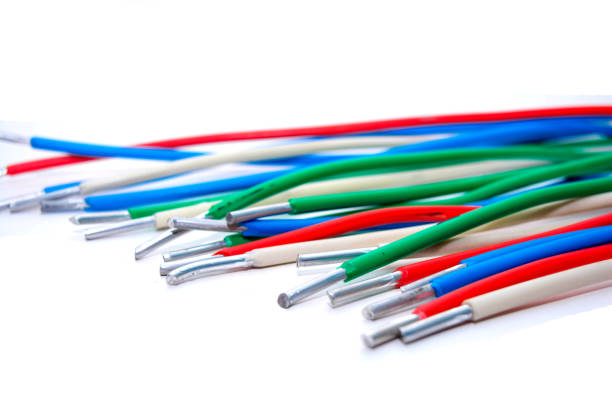
In the realms of advanced medical diagnostics and high-precision scientific research, the margin for error is non-existent. Whether it is a life-saving surgical laser, a high-frequency MRI scanner, or a sensitive laboratory mass spectrometer, the internal wiring must perform flawlessly under extreme conditions. PTFE hook up wire (often referred to by the brand name Teflon hook up wire) has emerged as the undisputed industry standard for these high-stakes applications.
This article explores the technical properties of PTFE insulation, its unique benefits in the medical and scientific sectors, and how to choose the right wire for your precision instruments.
PTFE (Polytetrafluoroethylene) is a synthetic fluoropolymer of tetrafluoroethylene. In the cabling industry, it is used as an insulation material for "hook up wires"—the single-conductor insulated wires used for internal connections in electronic and electrical equipment.
To meet the rigorous demands of modern technology, PTFE is frequently paired with high-quality conductors. The most common configuration in precision fields is PTFE silver plated copper wire. The silver plating enhances electrical conductivity and prevents the copper from oxidizing at the high temperatures where PTFE typically operates.
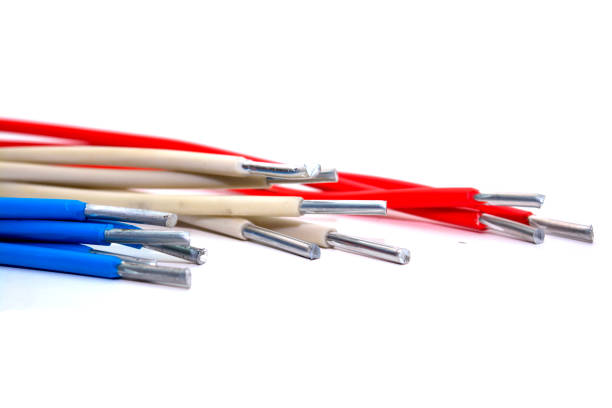
The preference for PTFE over materials like PVC, Silicone, or XLPE is driven by its extraordinary physical and chemical properties. In medical and scientific environments, these properties translate directly into safety, reliability, and longevity.
Medical devices often come into contact with aggressive sterilization chemicals, bodily fluids, or laboratory reagents. PTFE is chemically inert to almost all known chemicals.
Sterilization Ready: PTFE hook up wire can withstand repeated cycles in an autoclave (high-pressure steam sterilization) without losing its mechanical integrity or electrical insulation properties.
Non-Contaminating: It does not leach chemicals, making it safe for use in analytical instruments where even trace amounts of outgassing or contamination could ruin an experiment.
Scientific research often happens at the edges of the temperature spectrum—from the cryogenic cooling of superconductors to the intense heat of industrial sensors.
Temperature Range: Standard PTFE insulation operates reliably from -65°C to +250°C.
No Melting: Unlike PVC, which melts and drips when overheated, PTFE maintains its shape, preventing catastrophic short circuits in critical medical machinery.
As medical devices become smaller and more portable (e.g., handheld ultrasound probes), the need for miniature wiring increases.
High Dielectric Strength: PTFE has a high dielectric constant, meaning a very thin layer of insulation can prevent electrical leakage even at high voltages.
Space Saving: Engineers can use thin-wall PTFE hook up wire to reduce the overall diameter of wire harnesses, allowing for more complex circuitry within compact device housings.
In robotic surgery or automated lab equipment, wires are constantly moving, bending, and sliding against other components.
The "Slippery" Advantage: PTFE has one of the lowest coefficients of friction of any solid material. This prevents "snagging" during installation and reduces wear and tear caused by friction during the mechanical movement of instrument arms.
Selecting the correct wire is not just about the insulation; it's about matching the specifications to your specific environmental and electrical requirements. When sourcing for medical or scientific projects, consider the following factors:
While oxygen-free copper is the base, the plating matters:
Silver Plated Copper (SPC): Offers the best conductivity and is ideal for high-frequency signal transmission in scientific sensors. It is rated for temperatures up to 200°C.
Nickel Plated Copper: If your instrument operates in ultra-high heat (above 200°C), nickel plating provides superior oxidation resistance.
Ensure the wire is rated for the electrical load of your device. For most internal instrument wiring, a 600V rating is the standard, providing a significant safety buffer for sensitive electronics.
For medical grade equipment, look for wires that meet UL (Underwriters Laboratories) or MIL-SPEC standards. These certifications ensure that the PTFE insulation thickness and conductor quality are consistent and tested for safety.
The quality of the PTFE extrusion process is critical. Uneven insulation thickness (eccentricity) can lead to signal interference or electrical breakdown. Sourcing from a specialized manufacturer with ISO-certified quality control is essential for B2B procurement.
Industry Recommendation: For high-performance applications, we recommend the PTFE Insulated Wire 600V Series from Hongsen Cable . This series utilizes premium silver-plated copper conductors and high-density PTFE insulation, specifically engineered for the rigorous demands of the medical and aerospace industries.
Feature | PTFE (Teflon) | Silicone | PVC |
Operating Temp | -65°C to +25°C | -60°C to +200°C | -20°C to +105°C |
Chemical Resistance | Excellent | Good | Poor |
Dielectric Strength | Very High | Medium | Low |
Size/Weight | Smallest (Thin Wall) | Bulky | Medium |
Autoclavable | Yes | Yes | No |
The transition toward more precise, smaller, and more durable medical and scientific instruments has made PTFE hook up wire an indispensable asset. Its ability to provide high-frequency stability, chemical resistance, and thermal endurance—all while maintaining a small footprint—makes it the "gold standard" for engineers worldwide.
When your project demands the highest level of reliability, choosing PTFE silver plated copper wire ensures that your instruments will perform accurately today and for years to come.
Hongsen Cable specializes in the production of high-performance RF coaxial cables and PTFE hook up wires. With over 20 years of expertise in OEM/ODM manufacturing and a commitment to ISO9001 quality standards, we provide the precision cabling solutions required by the world's most demanding industries.
Would you like to request a quote or a sample for your next medical project?